
Food & dining rooms
Restaurant Stories
Notes on dishes, dining rooms and the often quiet details—service, tableware and tempo—that hold a memorable meal together.
Journal
The Joker’s Pantry is an independent Australian luxury food-and-culture journal, gathering observations from the table, the room and the rituals that make people linger. We write attentively about thoughtful dining alongside recurring in-person card-room themes: restaurant stories, hosted tables and social card evenings. These are notes for people who value a well-set place, a slower conversation and the small choices that make a gathering feel generous.
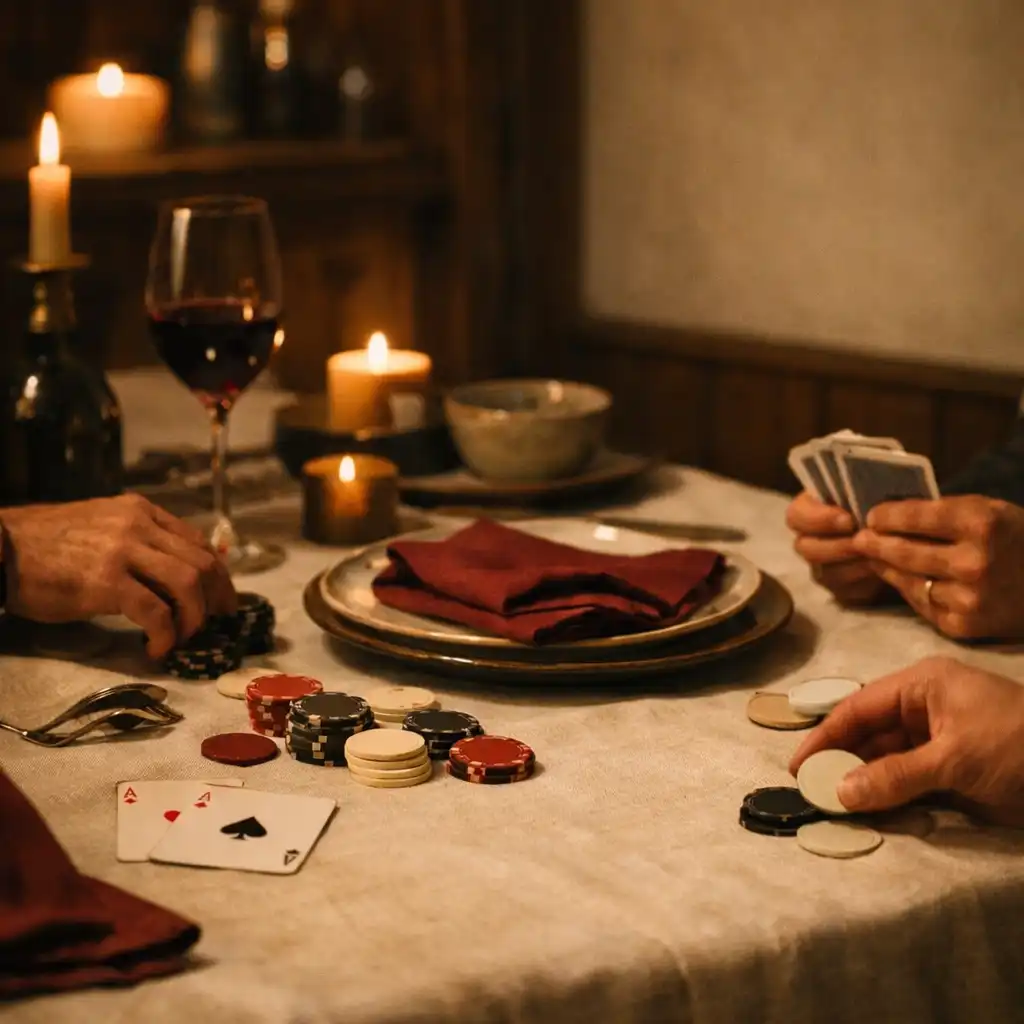
From the table edge
We notice the decisions that make hospitality feel open: the pace between courses, the seat left free for a late arrival, the light held low enough for conversation, the service that does not hurry a pause. Thoughtful dining and social card culture meet in those details, including the simple ritual of shuffling before a deck is passed around the table.
Contents by atmosphere
Follow the journal by the kind of table, room or evening that draws you in. These are ways of reading across the site: dining rooms and dishes, intimate card tables, host-led sessions, and face-to-face evenings shaped by the company around them.
Food & dining rooms
Notes on dishes, dining rooms and the often quiet details—service, tableware and tempo—that hold a memorable meal together.
The room itself
Reading on seating, conversation, decks and considerate hosting, where recreational cards help give an in-person room its social rhythm.
At a shared table
Considered meals shaped around a host, guests and a shared table, with menus, introductions and conversation allowed to move unhurriedly.
Face-to-face ritual
Reflections on etiquette, table rhythm and good company during relaxed, offline recreational play in a room where people can properly meet.
An easy gathering
Approachable games, shared snacks and conversation across the table: social, offline and in person, with room for familiar faces and new ones.
Current feature
An evening does not have to end when the final plate is cleared. This feature follows the shared pacing that lets a table change purpose without losing its welcome: a cleared corner, a familiar deck, a little room for elbows and conversation that has nowhere urgent to be. At The Joker’s Pantry, thoughtful dining and private card-room gatherings belong to the same in-person rhythm. The cards are offline, recreational and face-to-face; they are simply another reason for guests to remain together.
Read the feature
Hospitality continues when guests are given a reason to stay, and a table remains ready for the next shared moment.
From the feature
Field notes
Hosted table sessions and card evenings return often in these pages because their best details are useful in many rooms. The same care that settles a long lunch can also make an offline poker evening feel easy before any cards are dealt.
A useful table has room for plates and a deck without asking either to become an obstacle. A clear surface, generous elbow room and a calm way of clearing courses allow the evening to change pace naturally. Recreational cards then feel like part of the gathering, rather than a separate activity imposed on it.
A host’s opening can quietly settle a room. Names, a first toast or a simple sense of the evening’s rhythm give newcomers a place in the conversation without forcing formality. That welcome is central to the hosted table sessions we return to: guests know they may participate at their own pace.
At a social card night, snacks, water and an unhurried pause are part of looking after the room. They make space for conversation to refresh itself and keep attention from becoming performance. In-person, recreational play works best when hospitality remains as present as the deck on the table.
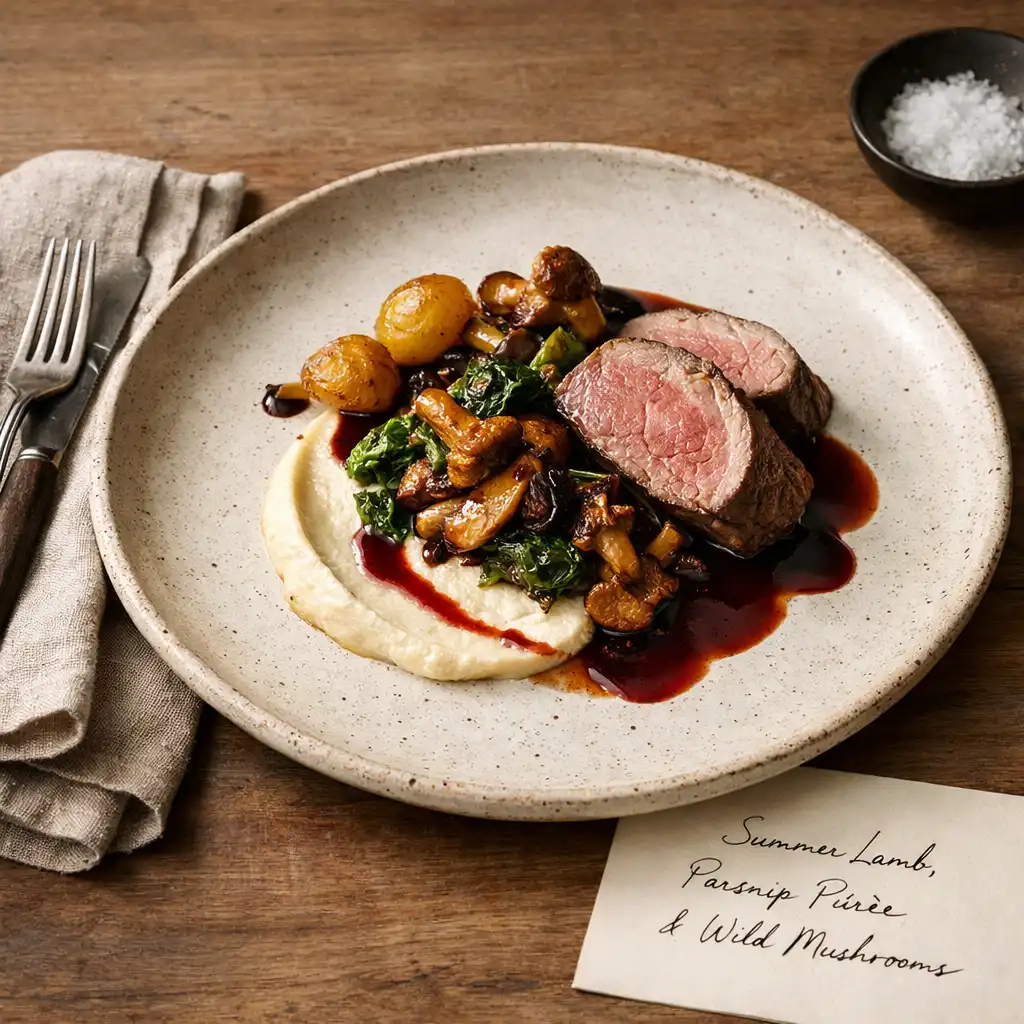
Restaurant notebook
Restaurant writing begins with more than what arrives on a plate. It follows the relationship between a dish, the room around it and the people still talking after it is served. Texture can change the pace of a table; a considered piece of tableware can make a course feel held; an observant service rhythm can give guests time to notice what has just happened.
Our restaurant stories stay with those impressions. They consider how a meal gathers memory without making a spectacle of itself, and how dining can become the first movement in a longer evening of company.
Read Restaurant Stories
Card-room notes
The card-room journal is interested in the social architecture of a good room: who is welcomed, how the table is arranged and when a pause is needed. Card-room gatherings, offline poker evenings and social card nights are recurring themes because they offer a simple reason to sit together with shared attention. The play is always recreational, in person and offline; the larger subject is the atmosphere people make around it.
Etiquette here is less about ceremony than consideration. A clear introduction, a seat with enough room, a chance to ask a question and a pause for conversation all keep the room open. Cards give the evening shape, but they are never the only purpose of being there.
Short reads
Choose a mood rather than begin with the feature. These short editorial briefs open routes through restaurant, hosted-table, offline poker and social-card themes; they are reading pathways, not event listings or schedules.
Hosted Table Sessions
A few well-chosen words can make a hosted table feel open before guests arrive. A clear welcome suggests the pace of the room, makes shared expectation feel easy and leaves enough space for everyone to take part in their own way.
Read the notesOffline Poker Evenings
A pause between hands can refresh conversation and look after the room. In offline, recreational and in-person poker evenings, that small break is an etiquette of hospitality: water is poured, stories continue and attention returns without pressure.
Read the notesSocial Card Nights
Social card nights can be a low-pressure way to gather around snacks, stories and familiar games. Offline and in person, they leave room for different levels of familiarity while keeping the point of the evening where it belongs: across the table.
Read the notesJournal refrain
A good evening is remembered for the room made between people, not simply for what was served or what was played.
Across dining, hosted table sessions and social card evenings, the journal follows rooms where a meal, a deck and good conversation can each take their turn. Offline poker and social card gatherings remain recreational and in person: a reason to linger, participate and share the same table.
Continue reading
Keep moving through the rooms that interest you most. Read restaurant stories for the food-led thread, follow hosted table sessions for the shape of a shared meal, or spend time with offline poker evenings and social card nights as face-to-face rituals of good company. Card-Room Gatherings offers the clearest next chapter for readers drawn to the social life that continues after the table is set.
The Joker’s Pantry
This journal includes content about dining, private card-room gatherings and social poker evenings. Please confirm that you are at least 18 years old to continue.